Elder Abuse Awareness: How to Recognise It, And Where to Find Help in Australia
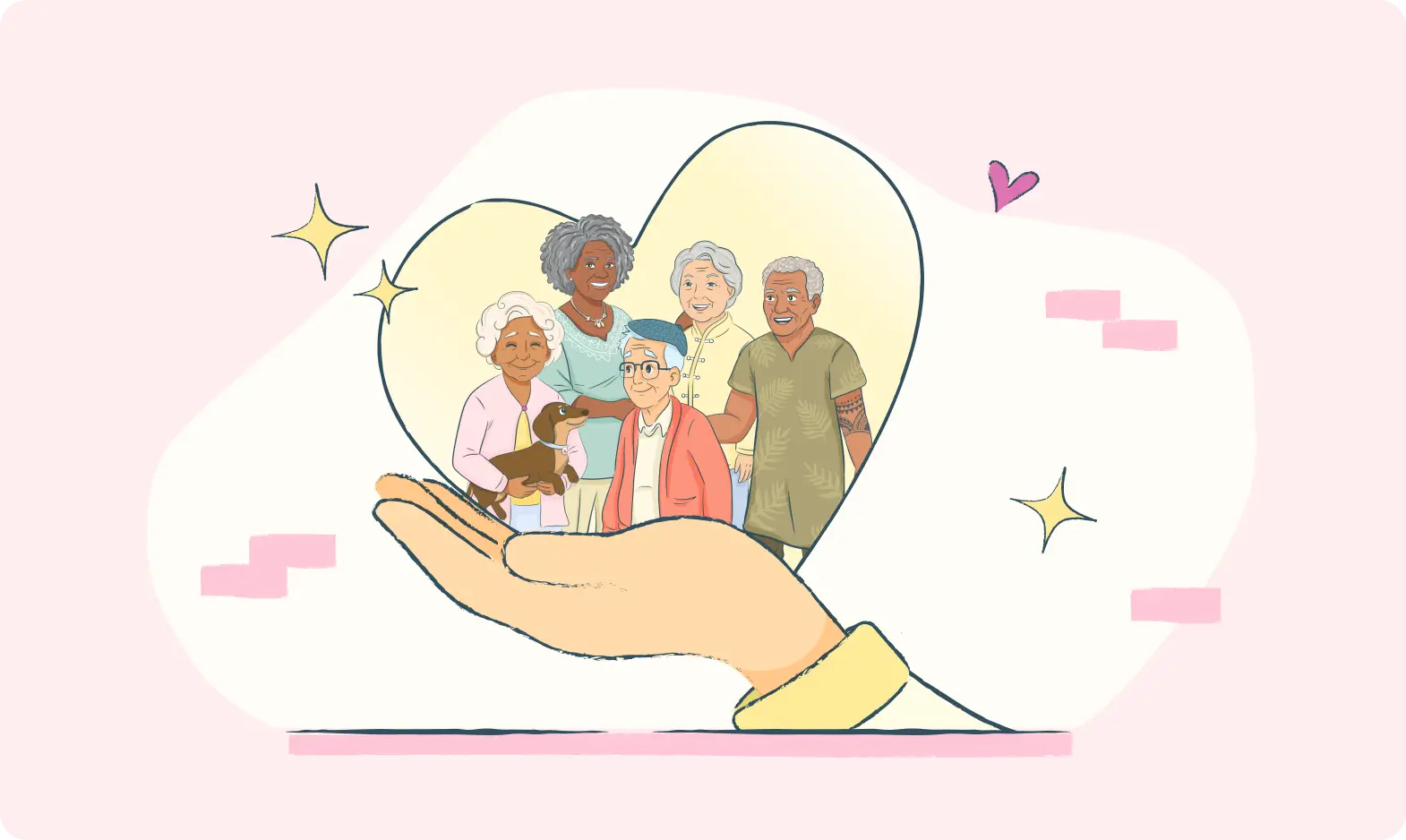
It’s never an easy topic to bring up, especially when it’s yourself, or someone you love, who’s involved. But that’s exactly why this World Elder Abuse Awareness Day (June 15), we’re reminded to do something quietly uncomfortable: Open the conversation.
When we really look at the person in front of us, we can’t always see signs of physical harm – sometimes, it’s the pure fear on their face when you ask a simple question like, “How are things at home?” that serves as the most powerful indicator that something’s not quite right. It’s in these very moments that we, altogether now, need to work harder to make sure these signs aren’t ignored, and more importantly, that the person we’re speaking to, knows that they’re not alone.
The harsh and very sad reality, is that this kind of harm is often unseen and behind closed doors. Even harder, it’s often at the hands of someone that person knows and trusts.
This year’s theme, Beyond Age, is about challenging the ageism that allows this harm to go unnoticed in the first place.
So, let’s talk about it – gently, and practically, everywhere from what elder abuse actually is, how to recognise the signs, how we can all help to prevent it, and exactly where to turn for help here in Australia.
First Thing’s First, What Is ‘Elder Abuse’?
In simple terms, elder abuse is any act, or failure to act, within a relationship of trust that causes harm or distress to an older person.
That phrase, relationship of trust, is the part that catches in the throat. Elder abuse is most often carried out not by a stranger, but by someone close: An adult child, a partner, a friend, a carer. That’s what makes it so hard to see, and even harder to name.
Elder abuse can take several forms, and they often overlap:
- Financial abuse: Misusing or taking someone’s money, property, or assets.
- Psychological or emotional abuse: Threats, intimidation, humiliation, and/or cutting someone off from the people they love.
- Physical abuse: Causing pain or injury.
- Neglect: Failing to provide the food, shelter, care, and/or medical help someone needs.
- Sexual abuse: Any sexual contact without consent.
None of these are rare, and none of these are anyone’s fault but the person causing the harm.
The Signs of Elder Abuse
The signs can be quiet, whether it’s a mood change, a bill that doesn’t add up, or a loved one who’s suddenly harder to reach. On their own, any one of these might mean nothing – but together, or paired with a feeling that something’s “off,” they’re worth paying attention to.
Signs of Financial Abuse
Financial abuse is one of the most common forms, and often the easiest to miss:
- Unexplained withdrawals, missing money, or belongings that disappear
- Pressure to sign documents, change a will, or hand over control of finances
- A new “helper” who takes charge of the bank account
- Unpaid bills, despite there being enough money
Signs of Emotional and Physical Harm
- Becoming withdrawn, anxious, or fearful, especially around a particular person
- Being talked over, or no longer allowed to speak for themselves
- Unexplained injuries, or explanations that don’t quite fit
- Poor hygiene, weight loss, missed medications, or an unsafe home
You don’t need to be certain – you just need to notice, and care enough to ask.
Why Elder Abuse So Often Goes Unspoken
If it’s happening, why don’t people simply speak up? Because it’s rarely simple.
An older person might stay silent out of love, maybe they don’t want to get a son or daughter “in trouble,” or maybe it’s simply out of fear – of not being believed, of losing their independence, or of being moved into care. Sometimes there’s shame, as though being harmed were somehow their failing. And underneath it all, sits ageism: The quiet assumption that older people matter a little less, or can’t quite speak for themselves.
That’s the very thing Beyond Age asks us to challenge. Because the more we treat older Australians as full, capable people whose voices count, the harder it becomes not to address the abuse.
How We Can Help Prevent Elder Abuse
Awareness is where prevention starts, but there are practical things that genuinely make a difference:
- Stay connected: Isolation is one of the biggest risk factors. Making regular calls, visits, and having check-ins isn’t just lovely – it becomes a form of protection.
- Talk about money and decisions early: Set up an enduring power of attorney properly, with someone trustworthy, and keep financial arrangements open and transparent rather than hidden.
- Keep older people in the driver’s seat: Include them in decisions about their own lives, money, and care, because having autonomy is a safeguard.
- Know the signs, and keep the conversation open: A loved one is far more likely to confide in someone who’s already listening.
- Choose accountable, quality care: Whether it’s care at home or a move into residential care, good providers welcome questions and family involvement.
What to Do If You’re Worried About Someone
First, take a deep breath. You don’t have to have it all figured out, and you don’t have to confront anyone.
Here are simple yet powerful ways to check on someone you care about:
- Have a gentle, private conversation: Listen more than you speak, and let them set the pace.
- Don’t confront the person you’re worried about: It can escalate things, or worse, put your loved one at greater risk.
- Call a helpline for advice: You can talk it through confidentially, even if you’re not 100% sure that something’s wrong – it helps to talk it out with an experienced support person.
- In an emergency, or if someone is in immediate danger: Call 000. Don’t ever wait for something horrible to eventuate, if you can hear or see it – report it.
Reaching out isn’t disloyal, and it isn’t an overreaction, it’s simply caring for those not in a position to do for themselves. And whether or not we’re close to the person we’re reporting on behalf of, we all having an important part to play in keeping each other safe.
Australian Support Services and Helplines Available for Reporting Elder Abuse
You’re not alone in this – there’s free, confidential help across Australia.
Of course, if someone is in immediate danger, always call Triple Zero (000).
National:
- 1800 ELDERHelp: 1800 353 374 – this is a free national line that connects you to the elder abuse service in your state or territory (it’s an information and advice line, not a 24-hour crisis service – hours will vary by location).
- Compass: This is Australia’s national online hub of elder abuse information, resources, services and more online support (available in several languages).
- Older Persons Advocacy Network (OPAN): 1800 700 600 – this is a free, independent, confidential advocacy for older people (Mon – Fri | 8am – 8pm, Sat | 10am – 4pm).
Elder Abuse Services By State and Territory
- NSW: Ageing and Disability Abuse Helpline – 1800 628 221
- VIC: Seniors Rights Victoria – 1300 368 821
- QLD: Elder Abuse Prevention Unit Helpline – 1300 651 192
- SA: Adult Safeguarding Unit – 1800 372 310
- WA: WA Elder Abuse Helpline – 1300 724 679
- TAS: Elder Abuse Helpline Tasmania – 1800 441 169
- ACT: ADACAS (part of OPAN) – 1800 700 600
- NT: Call the national line on 1800 353 374, which connects you to local support.
This World Elder Abuse Awareness Day
You don’t need to run a campaign or wear a particular colour to make a difference.
You can call the older people in your life, and really listen. You can gently check that a parent’s finances feel safe and transparent. You can notice the neighbour you haven’t seen in a while. Small, ordinary acts of attention are quietly powerful, because abuse thrives on isolation, and connection is its undoing.
That’s what Beyond Age is really asking: To see older Australians fully, and to keep them in the conversation – about their money, their care, and their lives.
You’ve never needed permission to look out for someone you love. But if today is the nudge to make that call, let it be.