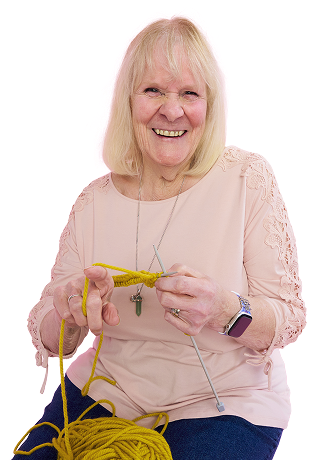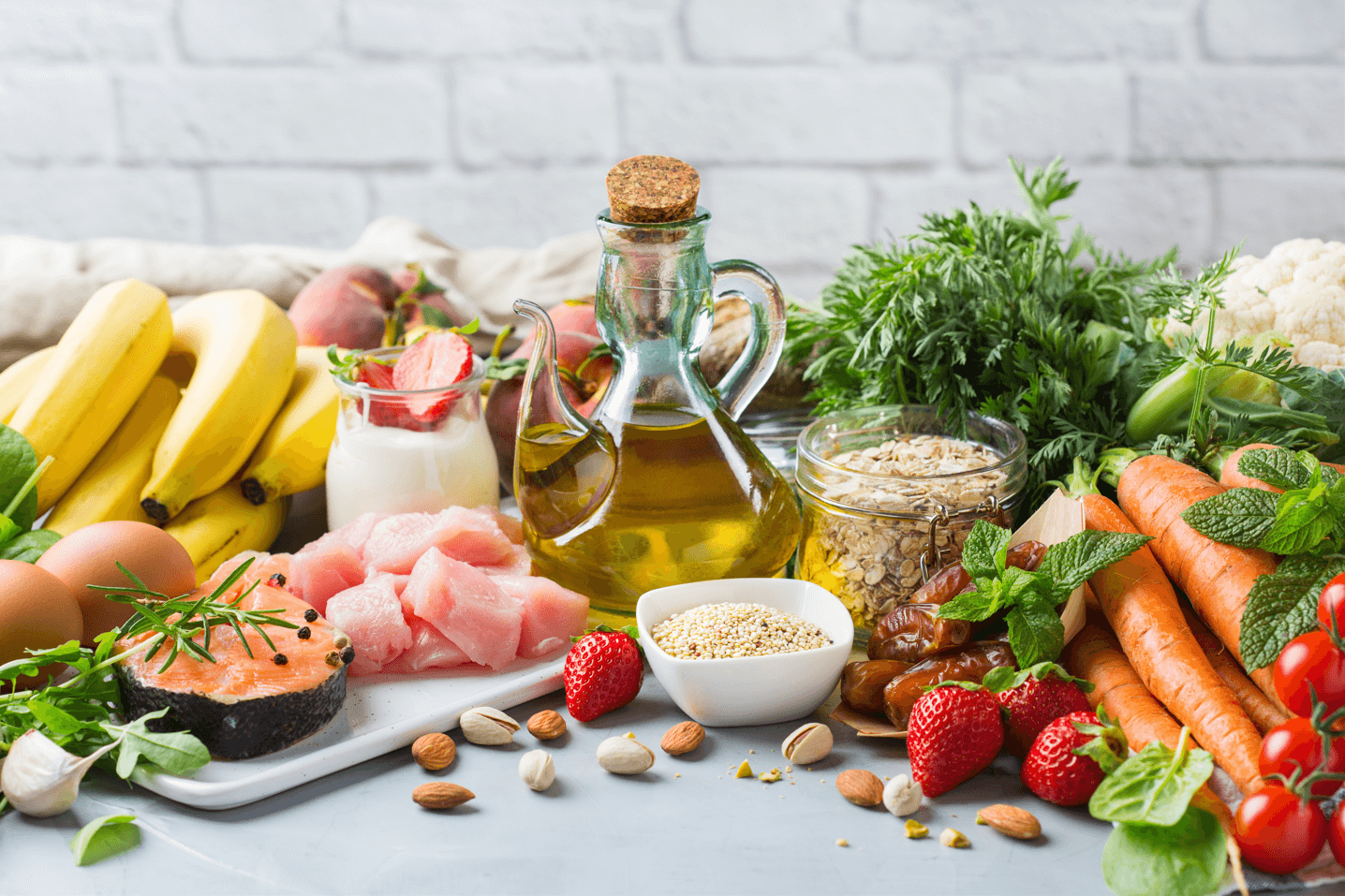
Eighty-six years old. Still walking to the shops. Still doing back-strengthening exercises before breakfast. Still reading the Sydney Morning Herald with a flat white in hand. Meet Paul.
Paul’s “Day on a Plate” was famously described by PhD-qualified nutrition scientist and accredited dietitian Joanna McMillan, as part of a previously published article, as “flawless” – a single word that landed in a country full of older Australians wondering what, exactly, they should be eating to age well.
In her review, Joanna wrote:
If you keep eating like this you’ll … support your brain health while keeping the brakes on the ageing process of your body through a combination of good nutrition, exercise and mental stimulation.
So what is Paul actually eating? Not a green powder. Not a $15-a-bottle supplement. Not a diet you have to “do” with apps and macros and Sundays of meal prep.
He’s eating the way much of the Mediterranean has been eating for centuries — and it might be the most quietly powerful thing you can do for your body in your sixties, seventies, eighties and beyond.
Why This Matters for Older Australians
Here’s the honest truth: ageing is not something we control. We don’t get to negotiate with our cells.
But what we eat – that, we can choose.
For people navigating their seventies and eighties, food can feel like the one piece of the puzzle that’s still in their hands. Not the bone density scan results. Not the new prescription on the kitchen bench. Not the appointment letter from My Aged Care. But what’s on the plate? That’s still ours.
And the science is honestly remarkable. The way we eat in our later decades shapes our heart, our brain, our gut, our bones, our mood and our independence — sometimes more than the medication we take alongside it.
What’s lovely about the Mediterranean diet is that it doesn’t ask you to give anything up so much as add more in. More vegetables. More olive oil. More family meals. More walks afterwards. Fewer ultra-processed snacks. Less rushing.
If that sounds like something a great-grandmother would have told you decades ago, you’re not wrong. The science is just catching up to what nonnas, yiayias and tetas have been quietly running as a public health programme for generations.
The Foundations of the Mediterranean Diet
The Mediterranean diet isn’t really a diet — not in the modern, pill-taking, calorie-tracking sense. It’s a pattern of eating that grew naturally out of the countries bordering the Mediterranean Sea: Greece, Italy, Spain, southern France, parts of Turkey, Morocco, Lebanon, Syria.
Queensland Health describes it as a way of eating “based on healthy whole foods” with “very few processed foods” — you can read their full overview here.
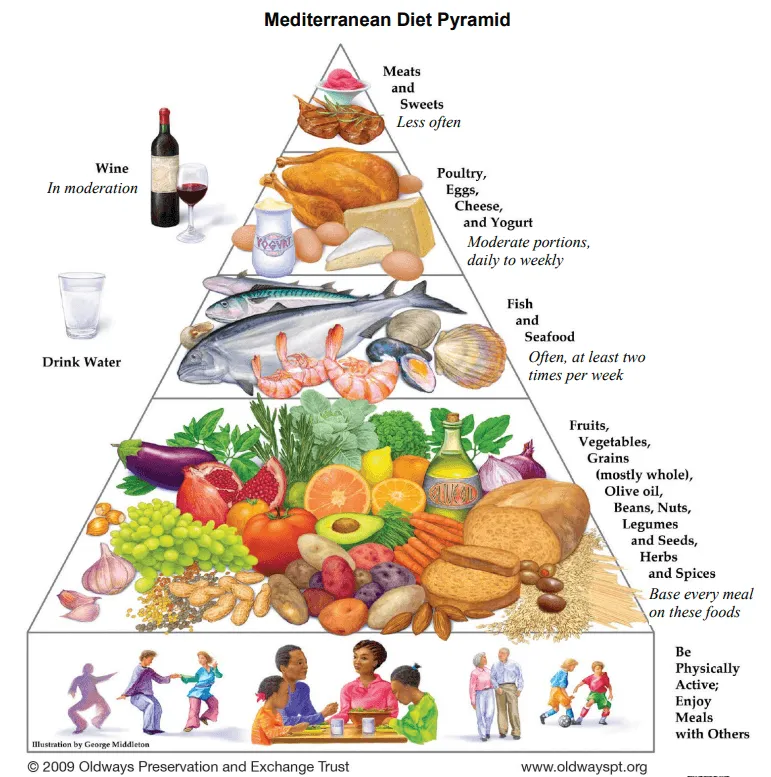
The simplest way to picture it is as a pyramid. Not the strict, prescriptive kind — more like a gentle suggestion of what to eat often, sometimes, and rarely.
Every Day
- Vegetables — leafy greens, tomatoes, eggplant, zucchini, capsicum, onion, garlic
- Fruit — fresh, seasonal, often eaten as dessert
- Wholegrains — sourdough, brown rice, oats, freekeh, bulgur, polenta
- Legumes — lentils, chickpeas, beans (the quiet hero of the whole pattern)
- Olive oil — used generously, especially extra virgin, drizzled rather than measured
- Nuts and seeds — a handful as a snack or sprinkled on yoghurt
- Herbs and spices — oregano, mint, parsley, thyme, sumac, rosemary (we’ve written more about the surprising power of everyday herbs and spices too)
- Water — the main drink
Several Times a Week
- Fish and seafood — at least twice, more if you can
- Eggs — a few times a week
- Dairy — especially yoghurt and cheese, in moderation
- Poultry — chicken or turkey
Occasionally
- Red meat — small amounts, perhaps weekly or fortnightly
- Sweets and desserts — for celebrations, not Tuesdays
- Sugary drinks and ultra-processed snacks — kept to a minimum
The Bit Most Articles Skip — The Lifestyle
The Mediterranean diet has never just been about food. It’s about how you eat:
- Slowly, at the table, with people you love
- Cooked from scratch when you can — even simply
- Followed by a walk, not the couch
- A glass of wine sometimes, with dinner — though Healthdirect’s drinking guidelines for older Australians on medication are worth a quick read first
In other words: a way of life, not a way of eating.
One Diet, Many Kitchens — Greek, Italian, Lebanese and Beyond
Here’s something the wellness industry rarely admits.
If you grew up in a Greek, Italian, Lebanese, Spanish, Turkish, Maltese or North African household, you’ve already been on the Mediterranean diet your whole life. You just called it dinner.
Australia is one of the most multicultural countries in the world, and many older Australians carry the food traditions of their parents, grandparents and great-grandparents on their kitchen tables every week. So rather than treating “Mediterranean” as a foreign import, we think it’s worth honouring the kitchens that have always done this beautifully.
A Greek Table
Greek cooking is olive oil, lemon and oregano in three different combinations.
A typical week might include horiatiki (the village salad — tomato, cucumber, onion, olives, a thick slab of feta, no lettuce, no fuss), fakes (humble lentil soup, finished with a splash of red wine vinegar), fasolada (white bean stew), grilled fish with lemon, gigantes plaki (giant butter beans baked in tomato) and spanakopita for the spinach. Tzatziki with crusty bread. Fresh fruit for dessert. A walk after dinner.
If you grew up with a yiayia who pressed extra olives into your palm and told you to “eat, eat”, you already know this diet.
An Italian Kitchen
Forget the takeaway version. Real Italian home cooking — the cucina povera tradition that came out of necessity and turned into genius — is overwhelmingly plant-led.
Minestrone with whatever vegetables are in the fridge. Ribollita, the Tuscan twice-cooked bread-and-bean soup. Pasta e fagioli. Panzanella (a tomato and stale-bread salad that’s somehow more than the sum of its parts). Frittata with silverbeet and parmesan. Branzino baked whole with lemon. Bruschetta with the best tomatoes you can find, the best olive oil you can stretch to, and a pinch of salt.
This is the Italy of nonnas, not chain restaurants.
A Lebanese Spread
The Lebanese mezze tradition might be the purest expression of the Mediterranean diet anywhere — many small dishes, mostly plants, shared slowly.
Tabbouleh (more parsley than bulgur, the way it’s meant to be — not the rice-heavy version you’ll find in supermarket tubs). Fattoush with sumac and toasted bread. Hummus. Baba ghanoush. Mujadara — humble lentils, rice and caramelised onions. Fatteh. Stuffed vine leaves. Kibbeh. A platter of fresh herbs and radishes in the middle of the table.
If your teta fed you parsley by the bunch, she was ahead of every dietitian in the country.
Beyond the Big Three
Spanish gazpacho in summer and escalivada (smoky grilled vegetables) any time. Turkish village breakfasts of olives, feta, tomato, cucumber and bread. Moroccan tagines rich with chickpeas, prunes and seven spices. Maltese ftira and bigilla.
The Mediterranean is not one kitchen. It’s a coastline of them.
The Ageing Benefits, Backed by Research
So why does this way of eating matter so much for older bodies in particular?
Heart and Blood Pressure
Heart disease is still the leading cause of death for Australians over 65. Decades of research — most famously the long-running PREDIMED study out of Spain — have shown that a Mediterranean-style diet, with extra olive oil or nuts, reduces the risk of major cardiovascular events. Less saturated fat, more “good” fats from olive oil and oily fish, more fibre from legumes and wholegrains. Lower blood pressure follows naturally.
The Brain — and the MIND Diet
Then there’s cognitive decline — the thing many of us fear most.
The MIND diet (Mediterranean–DASH Intervention for Neurodegenerative Delay) is a hybrid eating pattern designed specifically for brain health. It’s the Mediterranean diet with extra emphasis on leafy greens, berries, nuts, olive oil and fish — and limits on red meat, butter, cheese, pastries and fried food. Studies have linked it to a meaningfully lower risk of Alzheimer’s and slower cognitive decline. We’ve written more about reducing the risks of dementia here.
Gut Health and Inflammation
Chronic, low-grade inflammation is at the root of most age-related disease. The Mediterranean diet, packed with polyphenols (the colourful compounds in plants), fibre and healthy fats, calms inflammation and feeds the trillions of friendly bacteria in your gut. A happy gut means better immunity, better mood, better digestion and — increasingly, we now know — a healthier brain.
Bones, Muscle and Falls Prevention
Olive oil, fish, dairy, nuts and leafy greens deliver the calcium, vitamin D and protein that older bodies need to keep bones dense and muscles strong. Strong muscles mean fewer falls — and falls are one of the biggest threats to independence as we age. We’ve put together a guide to preventing falls at home and beyond.
Paul’s Day on a Plate
This is what it can look like — not what it must look like. Just one 86-year-old’s way of bringing all of this together in a single delicious day.
8am Muesli with yoghurt, walnuts, prunes, figs, apple and grapes, then a flat white while reading The Sydney Morning Herald on my iPad. Then it’s on to back-strengthening exercises and walking to the shops.
10:30am A cup of black tea.
1pm Prawns, mayo, cucumber and lettuce on olive sourdough, plus an orange and a banana. I also have a black coffee before 30 minutes of walking, then reading and writing.
7:30pm Swordfish pan-fried in extra virgin olive oil with chervil and garlic sauce, steamed potato, carrot and zucchini. Fresh fruit salad with rockmelon, pear, mandarin, banana, kiwifruit and passionfruit. Half a glass of red wine.
What you’ll notice: real food. Lots of plants. Fish over red meat. Olive oil with dinner. Walking between meals. A small glass of wine. Reading. Mental stimulation. Movement. Connection.
That’s the whole pattern, in one day.
Joanna McMillan called it flawless not because every meal hits a nutrition target, but because the shape of it does.
A Sample Week on a Plate
If reading Paul’s day made you go “lovely, but what would I eat?” — here’s a sample week, leaning into different Mediterranean kitchens. No measurements, no counting. Just ideas.
Monday — Italian-Leaning
- Breakfast: Greek yoghurt with walnuts, honey and sliced pear. A black coffee.
- Lunch: Minestrone with crusty sourdough.
- Dinner: Frittata with silverbeet, peas and parmesan. Tomato and basil salad. A piece of dark chocolate.
Tuesday — Greek-Leaning
- Breakfast: Wholegrain toast with avocado, tomato, feta and a drizzle of olive oil.
- Lunch: Lentil soup (fakes) with red wine vinegar and a hunk of bread.
- Dinner: Baked snapper with lemon and oregano, roasted potatoes, horiatiki salad.
Wednesday — Lebanese-Leaning
- Breakfast: Labne with cucumber, olives, tomato and za’atar on flatbread.
- Lunch: Mujadara (lentils, rice, caramelised onions) with a side of yoghurt.
- Dinner: Tabbouleh, hummus, grilled chicken skewers, vine leaves, fattoush.
Thursday — Spanish-Leaning
- Breakfast: Oats with stewed apple, cinnamon and almonds.
- Lunch: Gazpacho with a boiled egg and good bread.
- Dinner: Spanish-style tray bake — chicken thighs, capsicum, chickpeas, smoked paprika, tomatoes, olive oil. Fresh fruit.
Friday — Italian Again, Because We Can
- Breakfast: Wholegrain ricotta toast with figs and a drizzle of honey.
- Lunch: Pasta e fagioli (pasta with cannellini beans).
- Dinner: Branzino baked with cherry tomatoes and olives. Steamed greens.
Saturday — Family Day
- Breakfast: Boiled egg, sourdough soldiers, sliced tomato, a flat white.
- Lunch: A long shared lunch — something slow-cooked, with bread, salad and good company. (The lunch matters less than the company.)
- Dinner: Light. Soup, or just toast and fruit if lunch was generous.
Sunday — Quiet Day
- Breakfast: Fruit salad with yoghurt and walnuts.
- Lunch: A grain bowl — freekeh or brown rice, roasted veg, feta, olives, parsley, lemon.
- Dinner: Whatever’s in the fridge, eaten without rushing, with someone you love.
A note on portions: in Mediterranean kitchens, vegetables and grains do most of the work on the plate. Meat — when it’s there — is often the side, not the star.
Shopping It in Australia Without Blowing the Budget
There’s a myth that eating Mediterranean-style is expensive. It can be — if you go for the imported tinned anchovies, the truffle oil and the small-batch sourdough.
But the original Mediterranean diet was a peasant diet. Born of necessity, made beautiful by tradition. Most of what you need is in the basic aisles of Coles, Woolies, IGA, Aldi or your local fruit shop.
The Pantry Staples
- Olive oil — a 750ml–1L bottle of extra virgin lasts most households a few weeks. Worth spending on.
- Tinned legumes — chickpeas, cannellini beans, lentils, black-eyed peas. Around $1–$1.50 a tin. The cheapest protein in the country.
- Tinned tomatoes — Italian-style chopped or whole.
- Dried wholegrains — brown rice, freekeh, bulgur, oats.
- Pasta and good bread — sourdough or wholegrain.
The Fridge
- Eggs
- Greek yoghurt (the unflavoured kind)
- Feta or ricotta
- Tinned or fresh fish — sardines and tuna are some of the cheapest superfoods on the planet
The Fresh Bit
- Whatever’s in season — Australian seasonal produce is gorgeous, and seasonal usually means cheaper. Tomatoes and stone fruit in summer. Pumpkin, broccoli and citrus in winter.
- Frozen vegetables and berries — every bit as nutritious as fresh, often half the price. We’re big fans.
Eating Out the Mediterranean Way
If cooking every night is too much, that’s okay. Mezze platters at a local Lebanese spot, a Greek souvlaki and salad, a simple Italian pasta with vegetables — all of these can fit comfortably in the pattern. Skip the chips and the creamy sauces. Add a side of greens.
Pairing Food With Movement and Connection
Joanna McMillan called Paul’s diet flawless, but she didn’t stop at the food. She wrote about “good nutrition, exercise and mental stimulation” — three pillars, not one.
Food alone won’t carry the load.
A short walk after each meal helps with blood sugar and gut health. Strength work — even gentle resistance bands or hydrotherapy — protects bones and muscles. Reading, learning, music, conversation, puzzles, prayer, meditation: all of these keep the brain elastic. Friendship and community might be the most under-rated longevity drug we have.
If your joints have started to grumble, hydrotherapy is one of the gentlest and most effective ways to keep moving. We’ve written about why hydrotherapy works when everything else hurts.
The Mediterranean diet was always meant to live alongside long walks, shared tables, and la dolce far niente — the sweetness of doing nothing.
When You Need a Little Help
Here’s the bit most articles skip.
For some older Australians — especially those living alone, managing chronic conditions or recovering from a hospital stay — eating well is harder than picking up a recipe. Cooking from scratch can feel exhausting. Grocery shopping can be physically taxing. And the price of fresh food, on a pension, can add genuine stress.
If you have a Support at Home plan (the new federal program that replaced Home Care Packages in November 2025), there’s a good chance your funding can already help with this. Dietitian consultations, meal preparation, grocery delivery, even support with the cooking itself — all of it can be eligible, depending on your plan.
It’s worth knowing what your funding can cover, so it doesn’t go to waste. We’ve written a guide to making the most of your Support at Home funds.
You don’t have to do this alone.
Frequently Asked Questions
Can older adults really change their diet and see benefits?
Yes — and the science is unusually consistent on this. Even people who shift to a Mediterranean-style way of eating in their seventies and eighties show measurable improvements in heart health, inflammation, blood sugar, mood and cognitive function. It’s never too late.
Is the Mediterranean diet expensive?
It doesn’t have to be. The Mediterranean diet was originally a peasant diet — built on legumes, grains, vegetables, olive oil and tinned fish. Some of the cheapest items in your supermarket (lentils, sardines, frozen veg, eggs, tinned tomatoes, oats) are also some of the most nutritious. Imported delicacies aren’t required.
Is it safe if I’m on blood thinners or diabetes medication?
Generally yes, but always have a quick chat with your GP or pharmacist before making big changes. Some Mediterranean staples (leafy greens, olive oil, fish oil, certain herbs) can interact with specific medications. Your medical team can help you adjust safely.
What’s the difference between the Mediterranean and MIND diets?
The MIND diet is essentially the Mediterranean diet, fine-tuned for brain health. It puts extra emphasis on leafy greens, berries, nuts, olive oil and fish — and limits red meat, butter, cheese, pastries and fried food more strictly. Both are excellent. The MIND diet is particularly well-studied for reducing dementia risk.
How long until I notice a difference?
Many people feel changes; better digestion, more energy, steadier mood – within just a few weeks. The bigger benefits (heart, brain, blood pressure, inflammation) build over months and years. The point isn’t a quick fix. It’s a quietly powerful long game.
There are very few things in life that we get to choose, when it comes to ageing.
But what we put on the plate at lunch – the colours, the company, the pace, that’s still ours.
Lentils. Olive oil. Tomatoes. A walk. A conversation. A glass of something good, slowly. The patient, unfussy wisdom of nonnas and yiayias and tetas, refusing to be hurried.
That’s it. That’s the whole secret.
Happy cooking!