The Weightless Solution: Why Hydrotherapy Works When Everything Else Hurts
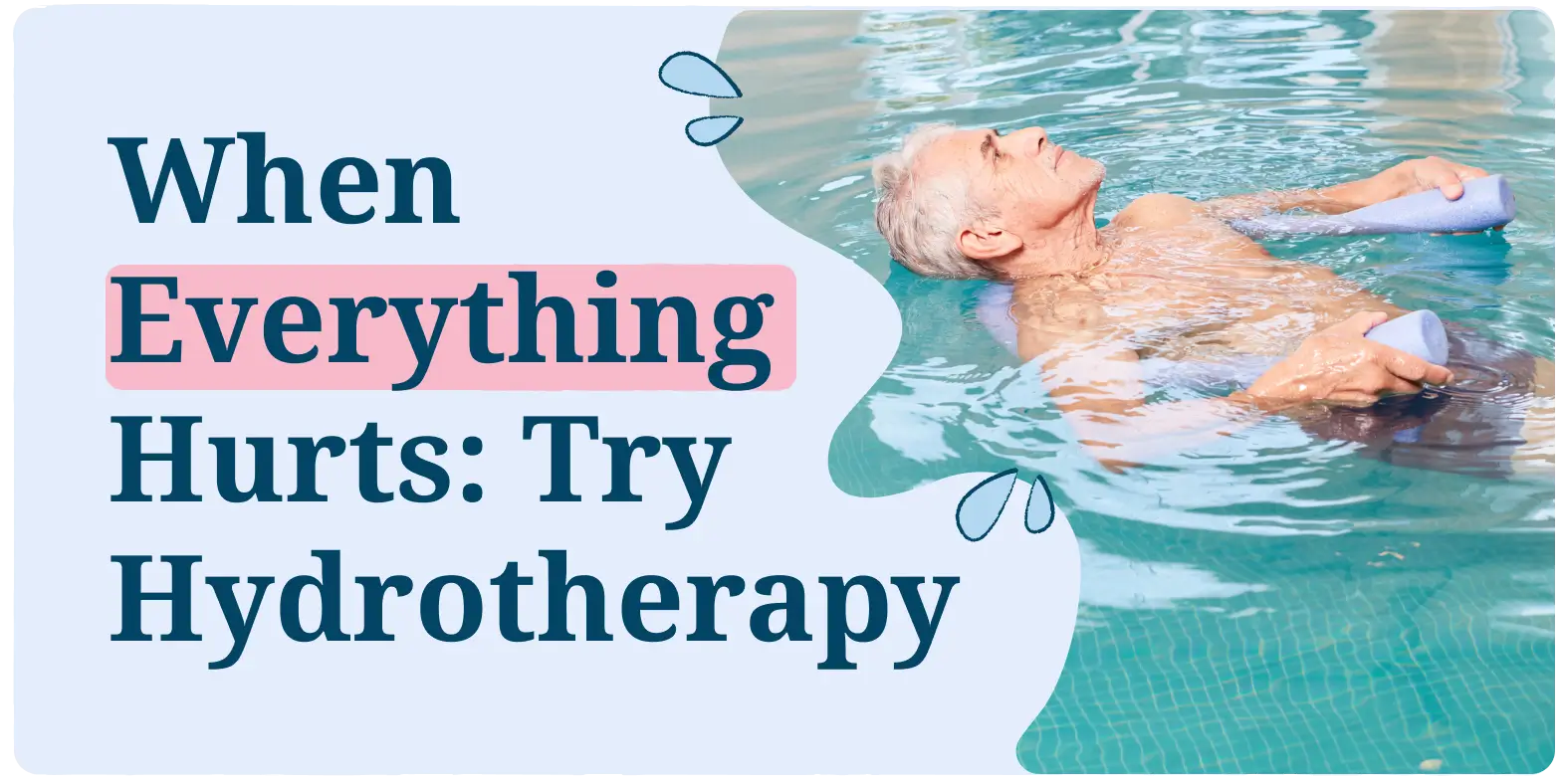
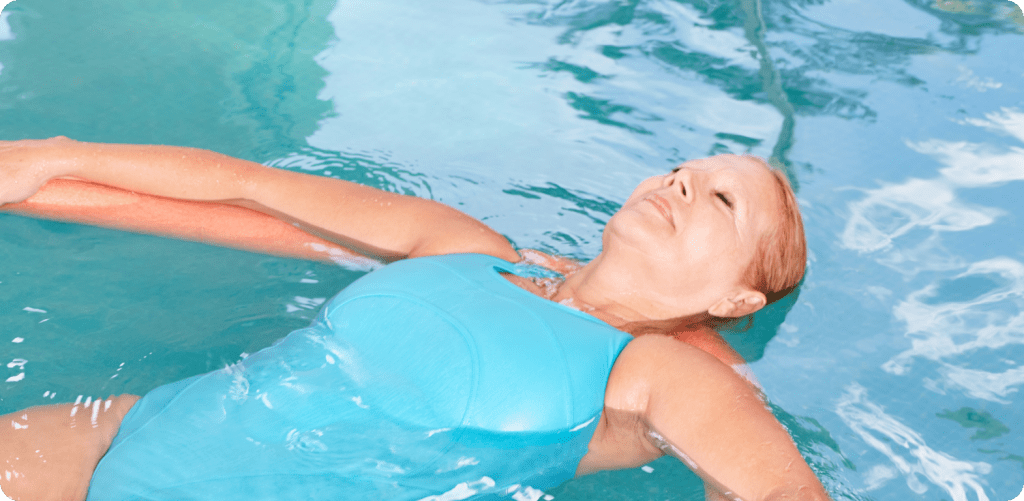
Picture this: You lower yourself into warm water, and something extraordinary happens. The weight that has been pressing down on your hips, your knees, your weary spine – it simply lifts away. Not all at once, but gradually, like clouds parting after rain. Your shoulders drop. Your breath deepens… and for the first time all day, movement (finally) feels less like negotiation and more like possibility.
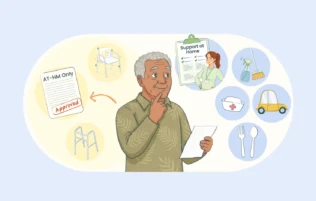
Is Hydrotherapy Covered Under Support at Home?
Before we dive into the immense benefits of hydrotherapy, let’s begin with the question on everyone’s mind: Is hydrotherapy covered under the new Support at Home (SAH) program?
Hydrotherapy sessions may be covered under the Support at Home (SAH) program as part of “allied health and other therapeutic services,” provided they are delivered by a qualified allied health professional such as a physiotherapist. Similarly, group hydrotherapy delivered by a physiotherapist, or clinical Pilates delivered by an occupational therapist, may also be covered under this category.
However, based on our conversations with providers, it appears that finding providers with physiotherapists who offer hydrotherapy services is uncommon.*
*This information is provided for general guidance only and should not be considered professional advice. Please verify coverage details and provider availability directly with your SAH program administrator.
Why Is Hydrotherapy So Popular?
For many Australians navigating the challenges of ageing bodies, chronic pain, or even recovery from an injury, this moment isn’t a fantasy. It’s the transformative beginning of hydrotherapy – a practice as ancient as healing itself, yet still profoundly misunderstood in our modern pursuit of wellness.
When we think about managing pain or improving mobility, our minds often leap to what feels like obligation: Scheduled physiotherapy appointments, prescribed exercises, or the daunting prospect of “keeping active.” While these interventions hold immense value, there exists a gentler doorway to healing that doesn’t announce itself with effort or discomfort. It whispers through the simple, elemental meeting of body and water.
In our previous blog, we looked at Why Your Joints Need Hydration and Heat, now we deep-dive into the benefits of aqua therapy, specifically hydrotherapy, and why exactly are water exercises are fast becoming the norm among older Australians.
The Science of Weightlessness
Water possesses a quality that makes it uniquely therapeutic: Buoyancy. When you’re immersed up to your neck, your body bears only about 10% of its usual weight. For someone carrying the burden of arthritic joints, post-surgical recovery, or the strain of decades, this reduction isn’t merely physical relief – it’s a psychological unburdening.
What happens beneath the surface?
In this state of near-weightlessness, your joints decompress. The constant grinding pressure that inflammation thrives upon eases. Blood flow increases to areas that have been guarded and restricted. Your nervous system, which has been on high alert to protect damaged tissue, begins to receive new information: Movement doesn’t have to mean pain.
This is where hydrotherapy diverges from land-based exercise. On solid ground, every step, every reach, carries the full weight of gravity’s demand. In water, you’re granted permission to explore range of motion that might otherwise feel impossible (or simply, unbearable).
Heat: The Gentle Persuader
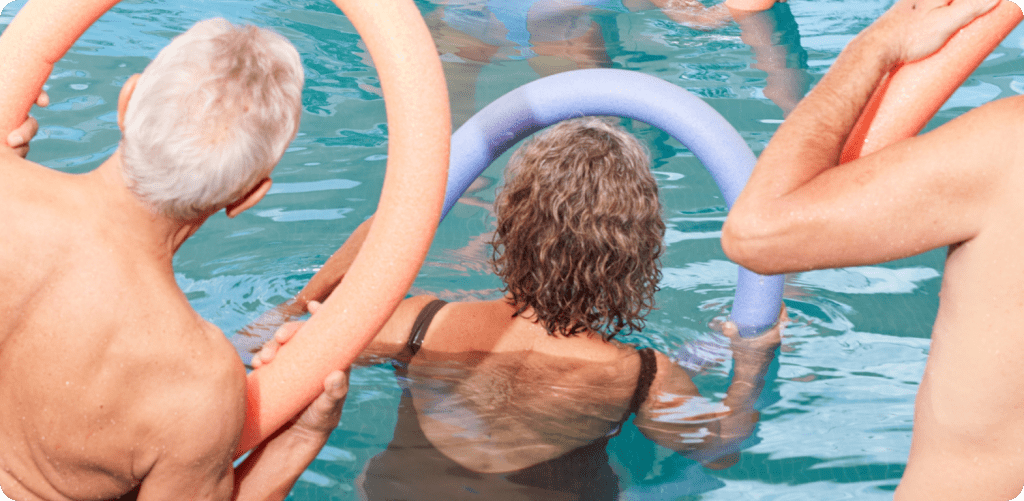
Warmth in hydrotherapy isn’t merely about comfort, though comfort is no small gift. Therapeutic water, typically maintained between 33-36°C, creates a cascade of physiological responses that facilitate healing (with an abundance of scientific research that supports this).
Blood vessels dilate. Circulation improves, carrying oxygen and nutrients to tissues that have been starved by tension and inflammation. Muscle fibres, which may have been clenched in protective spasm for months or even years, begin to soften and release. Heat also has a remarkable effect on pain perception – it essentially provides the nervous system with competing sensory information, reducing the intensity of pain signals reaching the brain.
For older Australians dealing with conditions like fibromyalgia, osteoarthritis, or the lingering effects of stroke, this thermal therapy offers relief that’s both immediate and cumulative. Regular sessions can lead to sustained improvements in pain levels and mobility that extend well beyond the pool’s edge.
The Profound Benefits of Hydrotherapy
Joint protection and mobility
Exercise without the compression and impact that exacerbates joint damage. Rebuild strength and flexibility in a protected environment that honours your body’s current limitations.
Cardiovascular health
The gentle resistance of water provides cardiovascular conditioning without the strain of traditional exercise. Your heart works efficiently while your joints remain protected.
Balance and confidence
Fear of falling often keeps older adults sedentary. Water provides a forgiving environment to practice balance and movement patterns without the risk of injury.
Pain management
Chronic pain creates a vicious cycle of inactivity and deconditioning. Hydrotherapy breaks this cycle by enabling pain-free movement that rebuilds strength and resilience.
Mental wellbeing
The sensory experience of warm water, combined with increased endorphin release from gentle exercise, offers profound benefits for mood, anxiety, and sleep quality.
Post-surgical recovery
Following hip replacement, knee surgery, or spinal procedures, hydrotherapy offers an ideal bridge between immobility and full function, accelerating healing timelines.
Beyond Exercise: A Practice of Presence
What often goes unspoken about hydrotherapy is its meditative quality. Unlike the goal-driven nature of many rehabilitation programs, time in warm water invites you to simply be with your body, not push it toward some version of fitness, but instead, to meet your body exactly where you’re able to.
This quality of presence has therapeutic value that extends beyond the measurable. When you’re in pain, your relationship with your body often becomes adversarial. It has betrayed you, let you down, refused to cooperate. Hydrotherapy can begin to mend that relationship, creating experiences of pleasure, ease, and capability that you may have thought were lost forever.
Who benefits most?
While hydrotherapy offers something to nearly everyone, it proves especially valuable for those managing: Arthritis and joint conditions, chronic back pain, fibromyalgia, post-surgical rehabilitation, neurological conditions like MS or Parkinson’s, sports injuries requiring gentle rehabilitation, and/or the general deconditioning that can accompany aging and/or extended illness.
The Australian Context: Access and Opportunity
Across Australia, hydrotherapy pools are increasingly recognised as essential health infrastructure rather than luxury amenities. Many private health funds now offer rebates for hydrotherapy sessions conducted by qualified physiotherapists. Community centres and hospitals maintain dedicated hydrotherapy facilities, and some aged care residences have integrated warm water programs into their wellness offerings.
For those with chronic conditions or recovering from surgery, a GP referral and treatment plan can make hydrotherapy sessions eligible for Medicare rebates under certain chronic disease management programs. It’s worth having a conversation with your healthcare provider about whether hydrotherapy might be appropriate (and funded) for your situation.