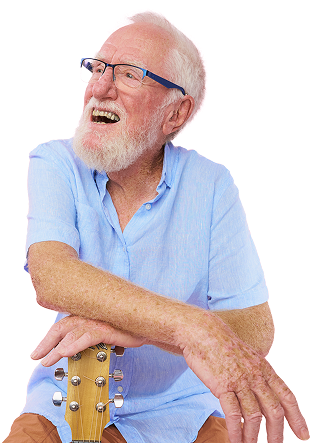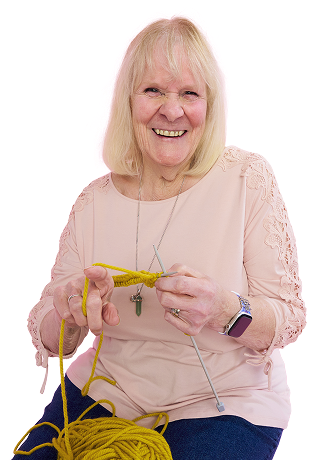
To celebrate Australia’s first ever National Healthy Ageing Day, we share its important message to simply ‘Keep Doing What Matters.’
While the phrase ‘ageing well’ can have several different meanings, here we reflect on what it means to age well; on being able to keep those small, ordinary things that already make your day – and gently protecting these as you go on about your day-to-day life.
If you were to search “how to age well,” you’d find long lists about how to age well; eat the right vegetables, exercise five times a week, do hydrotherapy, take up tai chi, meditate, read for an hour, practise gratitude – the list goes on and on.
It’s a lot. And honestly? It’s the kind of advice that sounds great on a Sunday and quietly evaporates by Tuesday.
Instead, let’s take it back to the basics and focus on these small seven habits that you can practice each day starting now (without having to buy anything or download anything, or even having to adopt a new personality).
1. Make A Phone Call
Loneliness isn’t just sad, it’s a serious health issue. Australian research has linked social isolation to higher rates of heart disease, depression, and cognitive decline in older adults. The good news: Even a brief weekly call has been shown to reduce loneliness measurably.
You don’t have to plan a big chat or spend a lot of time. Simply pick one person – a friend, a sibling, an old neighbour, a grandkid, or even a support line – and give them a call. If they don’t pick up, leave a voicemail. The connection happens in the trying.
And if by any chance you’re now thinking, “but I really don’t have anyone to call,” please know that’s not unusual, and there are good places to start. We’ve written before about the emotional side of ageing for a reason, because we understand how hard it can be to navigate the life-altering changes that come with ageing. Rest assured, you’re never alone in this journey.
2. Walk to the Letterbox Every Morning
Despite every other fitness professional pushing you to get your 10,000 steps in, or hit the gym – it’s actually those low-impact, simple exercises that make all the difference. And the secret? Consistency. Small changes repeatedly equate to long-term and impactful results, a routine behaviour impeccably described by James Clear in the best-selling book, Atomic Habits.
The Australian physical activity guidelines for older adults recommend movement every day, in any way that suits you. The operative term being every day, because consistency matters more than intensity. And here’s what your simple daily letterbox walk achieves:
- Gets you moving while balance is at its sharpest (the morning)
- Sneaks in a bit of vitamin D
- Marks the start of the day with something done
Of course, “a letterbox walk” is a metaphor for any short walk you can make – whether that’s to your local grocery store, taking a brisk walk around your local park, or simply walking up and down your street – all activity counts.
And importantly, as we get older – it’s not about vanity, it’s really about health and coordination. Regular exercise helps to increase mobility, balance and flexibility, which in turn, plays a significant role in helping to prevent falls. Just last month, we recognised April Falls Month, and wrote this simple yet effective guide to fall prevention.
3. Stand Up While the Kettle Boils
This one might sound silly but it’s actually effective. If we think about it like this: Boiling a kettle takes around 2-4 minutes, so if you’re standing up while the water’s boiling – you’re already incorporating a great habit for ensuring you reach your daily stand goal. And remember, you can hold onto something (whether the bench, or a chair), it’s just about being on your feet.
Why? Because sitting time is one of the strongest predictors of physical decline in older adults – and weirdly, it matters separately from how much exercise you do. Standing more often through the day, even briefly, helps maintain leg strength and supports balance.
If you’re not leaving the house often, that’s okay! Instead, you can simply pair standing on your feet with your varied daily tasks such as boiling the kettle, brushing your teeth, during the ad breaks on TV – and the best part? You’re bound to stand more than you realise.
4. Drink A Glass of Water With Breakfast
Older adults are more prone to dehydration than they realise, and that’s partly because the body’s thirst signal weakens with age. Mild dehydration is linked to fatigue, dizziness, confusion, and (yes) falls.
One of the simplest fixes is actually the most boring one: A glass of water at breakfast each day. If you take morning medication, line the glass up next to it. And on that subject, of course, what you eat also matters. We’ve written separately about why a Mediterranean-style diet is renowned for both its anti-ageing and healing properties, which is instrumental when reviewing the sustenance your daily meals provide.
5. Book That Appointment You’ve Been Putting Off
You know the one – the hearing test, the eye check, the dental clean, the skin check; whatever it is, there’s always that one thing you’ve been meaning to do for months.
Hearing loss, in particular, is one of the most under-treated health issues in Australia – and untreated hearing loss is now a recognised modifiable risk factor for dementia. Yet the average wait between noticing hearing issues and getting tested is around seven years (shocking, we know).
It could take you as little as a five-minute call – that’s it. Of course, you don’t have to commit to anything beyond making the meeting; future-you will thank you for investing this time.
6. Spend Five Minutes Outside Before Lunch
Before sitting down for lunch, it helps to simply step outside and get some fresh air. Sit on the back step, stand in the garden – breathe, and ponder on something other than a screen. As they often say, “get your daily dose of Vitamin D.”
This one’s quietly powerful because daily exposure to sunlight helps to regulate your sleep, mood, and vitamin D levels – three factors that tend to decrease for most older Australians (and often, without anyone noticing). And just five minutes a day can make a measurable difference in the long run.
And if the weather’s awful? No problem! Just open a door or window, and stand near it to inhale some fresh air, which significantly helps to regulate your nervous system and innately, connect with the world outside (a daily game-changer for your mental health).
7. Read Three Pages Before Bed
As we know, Rome wasn’t built in a day, so asking someone to read a whole book a week…really isn’t realistic for most people. Let’s aim for baby steps instead – just three pages a night plays a remarkable role in improving your cognitive health.
Simply reading before going to sleep, has been shown to reduce stress, improve sleep quality, and even prolong memory loss. It’s also a much gentler off-switch for the brain than scrolling, which tends to leave you wired rather than rested.
If you’re not sure where to start, we’ve put together a list of seven self-care books to help you age with vitality and purpose – the kind of reading that provides you with meaningful content to slowly digest and savour, rather than mindlessly reading to just tick it off.
A Quiet Thought to End On
None of these habits are going to change your life on their own. But that’s the point.
The Keep Doing What Matters theme of National Healthy Ageing Day 2026 isn’t about doing the most. It’s about being a bit more deliberate about the small things you already do (or can start to do) – and mindfully repeating and protecting these lower-impact behaviours, and protecting them – one tiny habit at a time.
So, whether you’ve already made habits of most of these items listed here, there’s no time like the present to pick one you haven’t, and just give it a go. Of course, if you’re finding any of these habits are hard, or are already becoming harder to manage – that could be getting to your social club, looking after the garden, or keeping on top of the house for example – Support at Home funding might be there to assist you.
Our dedicated Care Advisers can help you to explore your available options.