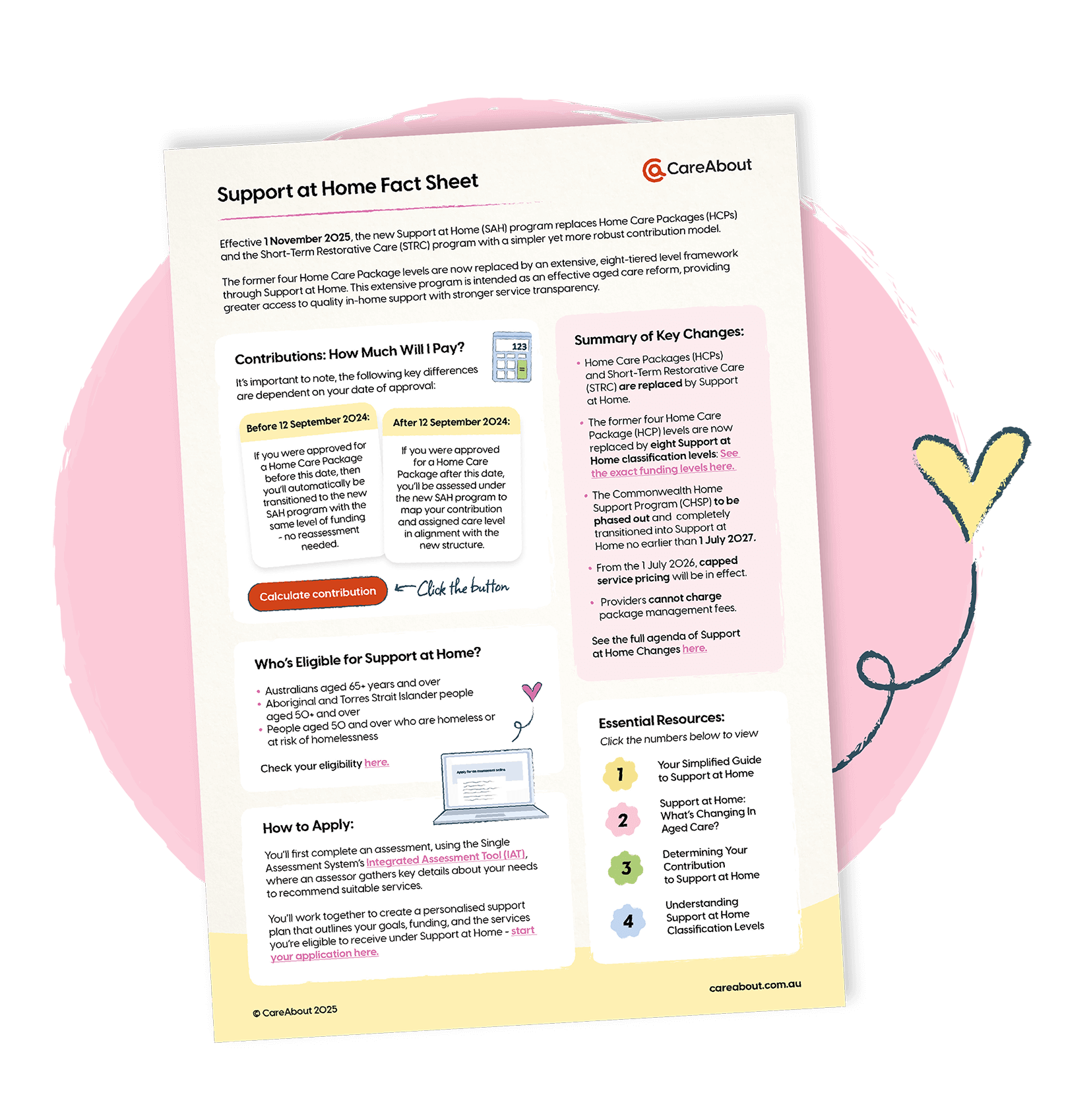
A little help around the house can make everyday life safer and easier. From 1 November 2025, the Australian Government’s Support at Home Program funds practical everyday living services so you can stay comfortable and independent in your own home.
Everyday Living is a Support at Home service type that includes help with light cleaning, laundry, meals, gardening and minor home repairs. Having this extra support available takes pressure off you and your family, so you can focus more on the parts of life you enjoy.
Benefits of Everyday Living Support
Everyday Living services help you stay independent at home by providing regular help with housework, small repairs, gardening and meals, so your home stays clean, safe and manageable without wearing you out or relying too much on family. Support with everyday tasks and home safety reduces the risk of falls and makes it easier to keep up with your usual routines.
By taking care of jobs that have become harder, these services give you more energy and confidence for the things you enjoy, such as seeing friends, going out in the community or simply relaxing in a home that feels tidy, safe and easier to manage.
What Everyday Living Services Include
The services you receive are set out in your Notice of Decision and Support Plan after your aged care assessment. Providers can only deliver what is approved for you.
The full list of services, inclusions and exclusions is too extensive to present here, so please view the official Support at Home service list.
Domestic Assistance
Domestic assistance covers everyday household tasks inside your home so you can live in a clean, comfortable space without overdoing yourself, reducing fatigue and lowering the chance of falls or illness from an unmanageable environment.
Severe hoarding or squalor clean-ups are not funded under Support at Home and may be considered under other programs after reassessment.
Home Maintenance and Gardening
Home maintenance and gardening focus on small jobs around your home and garden that make it safer and easier to move about, helping you stay independent, get in and out of your home confidently and avoid hazards that could lead to injury.
Urgent repairs may be approved in limited cases where there is a clear, immediate safety risk, such as flooring that creates a serious falls risk
Meals and Food Support
Meals and food support are about helping you eat well at home by providing practical help with meal preparation and arranging suitable meal deliveries, so you can maintain good nutrition and energy even if cooking has become difficult or tiring.
For the full national list of everyday living services, inclusions and exclusions, see the official Support at Home service list.
What You Can Expect to Pay
Everyday living services are subsidised, and you may contribute a portion of the cost based on your income and assets. Services Australia completes the assessment. You only pay for services that are actually delivered.
Everyday Living Contribution Rates
- Full pensioners: Contribute 17.5% towards everyday living services.
- Part pensioners or Commonwealth Seniors Health Card holders: Contribute between 17.5% and 80% depending on financial situation.
- Self-funded retirees without a concession card: Contribute 80%.
If you were approved for a Home Care Package on or before 12 September 2024, the ‘no worse off’ principle applies. You will pay the same or less when you move to Support at Home, which you can learn more about in our Support at Home contributions guide.
For comparison, clinical services such as nursing and allied health are fully funded for everyone. You can read more about those services in our main program overview linked at the top of this page.
How Everyday Living Services Fit Into Your Plan
Your care partner will help match services to your goals and routines, and can request a Support Plan Review if your situation changes.
Examples of Goals
- Keep my home clean and safe to reduce fall risks.
- Have meals delivered a few times a week when cooking is tiring.
- Get the garden maintained monthly so paths stay clear and accessible.
- Fix small repairs quickly so they do not turn into bigger safety issues.
Real-Life Example: Meet Maureen
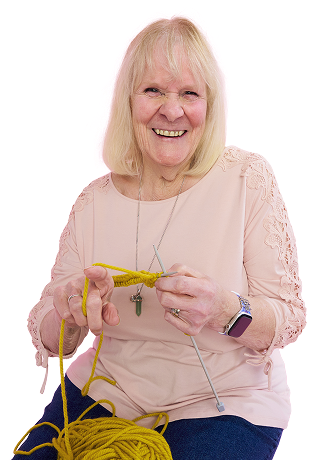
Maureen, 86, has light cleaning every week, garden safety trimming once a month and three delivered meals each week. Those simple supports reduce fatigue and fall risks, so Maureen can focus on the activities she loves.
For a fuller picture of how your ongoing funding works, see our Support at Home Classification Levels guide.
Your Rights and Protections
You have clear rights under Support at Home. In practice, this means:
- Services must match your approved Support Plan: You should not be offered or charged for services that are not approved.
- Providers must meet the strengthened Aged Care Quality Standards: They cannot charge more than the amount you agree to.
- You have the right to ask for a review at any time: Your plan can be reviewed whenever your needs change.
- You are always supported: Free, independent advocacy is available through the Older Persons Advocacy Network (OPAN), simply call1800 700 600.