What Is the Restorative Care Pathway?
The Australian Government’s Support at Home Program includes the Restorative Care Pathway. It is a short-term, intensive program designed to help older Australians recover after illness or injury and continue living safely and independently at home.
The Restorative Care Pathway provides up to 16 weeks of tailored support, on top of any Support at Home services you already receive. It replaces the former Short-Term Restorative Care (STRC) Programme and offers coordinated clinical services, including nursing and allied health support.
What Are the Benefits of Restorative Care?
- Regain the ability to perform everyday activities after illness or injury
- Manage new or changing age-related conditions
- Delay or prevent the need for higher levels of aged care
- Learn strategies to stay independent and confident for longer
It’s part of the government’s broader Support at Home aged care reform, which aims to make in-home aged care simpler, more flexible, and tailored to your personal outcomes.
Who Can Access It?
During your aged care assessment, your assessor will discuss whether restorative care could help you achieve your goals. If you’re eligible, you’ll work with a restorative care provider to set personal goals, develop a goal plan, and arrange services tailored to your recovery needs.
How Long Does Restorative Care Last?
You can receive up to 16 weeks of support per episode and may be eligible for two episodes within a 12-month period.
How Is It Funded?
You’ll receive a budget of around $6,000 for each 16-week period. If your care provider decides you need more intensive support, they can apply for up to another $6,000. You may also be approved for separate funding through the Assistive Technology and Home Modifications (AT-HM) scheme, which covers aids such as mobility walkers or small home modifications like handrails.
You can read more about classifications, funding levels and short-term pathways in our Support at Home Classification Levels guide.

A Real-Life Example: Meet Mary
The Restorative Care Pathway suits people who are recovering from illness or injury but want to remain independent at home.
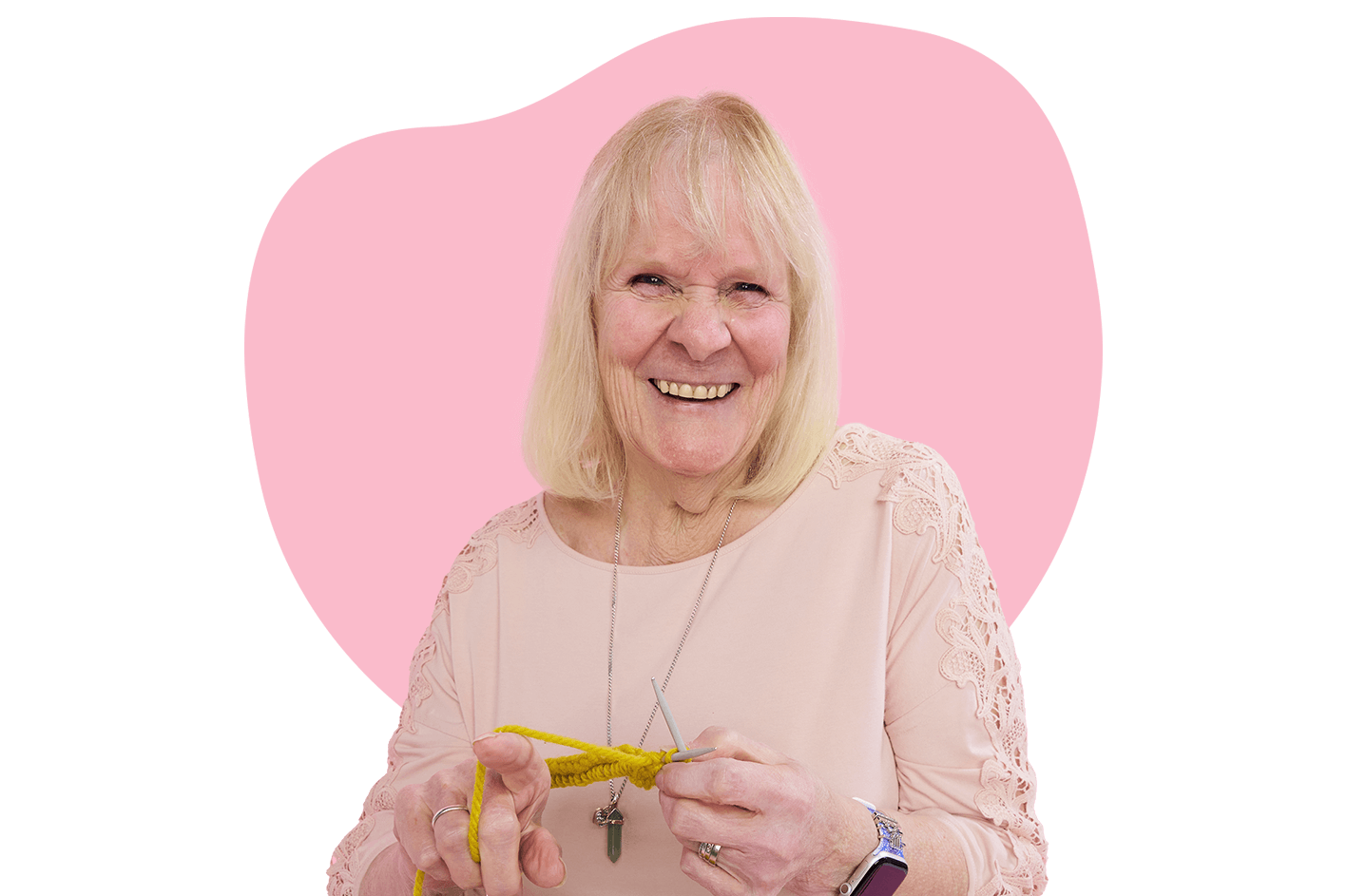
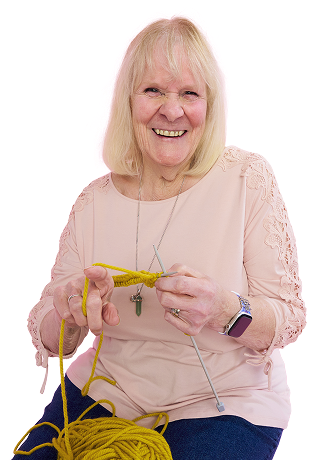
Take Mary, for example. She’s 78 and recently returned home after a short hospital stay. With help from her Restorative Care Partner, Mary received physiotherapy, nursing visits, and help around the house for 16 weeks. By the end of her program, she’d regained her strength and confidence and no longer needed daily support.
The pathway gave Mary the right care at the right time, helping her to stay safe and independent in her own home.
How Much Will I Pay? Contribution Rates Explained
All Support at Home contributions are only charged for services actually delivered and are collected directly by your provider. For clinical support such as nursing and allied health, there are no participant contributions.
If you were approved for a Home Care Package on or before 12 September 2024, you’re protected under the ‘no worse off’ principle. This means you’ll pay the same or less under Support at Home, and you won’t start paying fees if you didn’t previously. A lifetime contribution cap applies to all Support at Home participants (currently around $130,000, indexed annually).
You can learn more about contribution rates on our Support at Home contributions page.